
5 Common Car Problems and How to Avoid Them
Published · Updated
The short answer
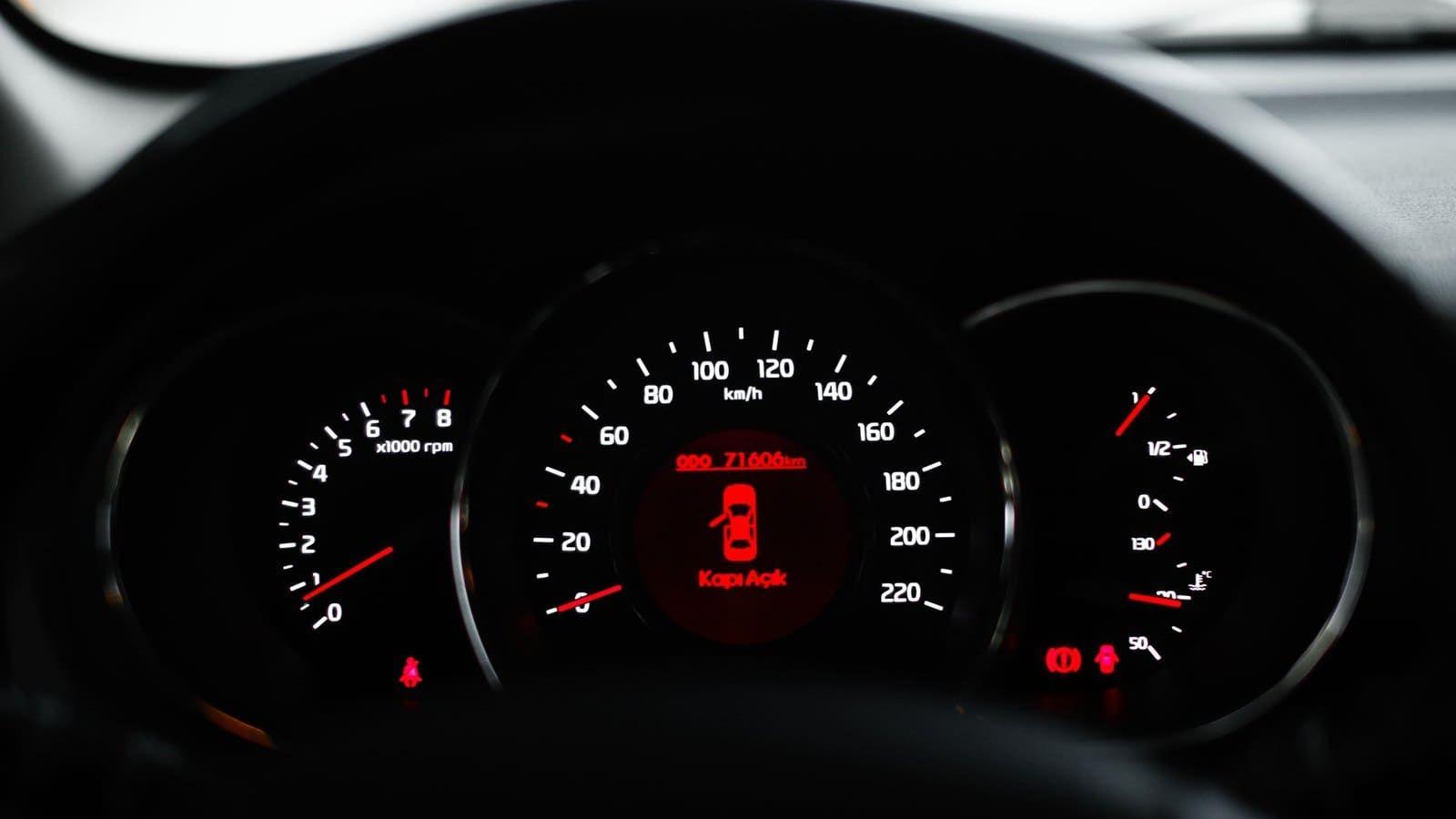
Most “sudden” car failures start with a quieter warning: a rising temperature gauge, a light that stays on, a softer brake pedal, falling oil level, or a weak electrical system. Check those signs early, follow the owner’s manual, and have the car inspected before a small issue becomes a roadside repair.
Most cars that arrive at a shop with a “sudden” failure already gave a quieter warning: a temperature needle that crept up, a light that stayed on after a restart, a brake pedal that felt softer than last month, or an oil level that kept falling between visits. At A Spec Auto Specialties & Customs in Ocala, Florida, we would rather catch those clues early than repair a problem that was allowed to grow. This article explains five issues we talk about often, what you can honestly check at home, and when it is time to schedule a diagnostic visit.
This is general car-care guidance, not a diagnosis of your vehicle. The owner’s manual still comes first, and a recall or technical service bulletin can change the advice for a specific year and model. You can look up open recalls at NHTSA’s recall page using the VIN.
What are the most common problems we want drivers to catch early?
These five problems show up on daily drivers, weekend cars, and modified vehicles we see at 422 SW 16th St. Each one is easier to address when you pay attention to how the car feels, smells, and sounds, instead of waiting for a breakdown on I-75 or on a trip to Gainesville.
Why is a rising temperature gauge a problem you should not ignore?
An engine that is running hotter than its normal range is telling you that heat is not leaving the system the way it should. The cause might be a coolant leak, a failing thermostat, a weak water pump, a clogged radiator, a worn fan, a loose belt, or — on some performance and swap combinations — a cooling system that was never sized for the new heat load. You cannot tell which one it is from the driveway.
What you can do is notice the pattern. If the gauge climbs in traffic, if the cabin heat suddenly goes cold, if you smell coolant, or if you have to add coolant more than once, stop treating it as a quirk. Continuing to drive a car that is actually overheating can damage gaskets and aluminum parts and can lead to engine work.
At home, with the engine fully cool, you can look at the coolant level in the overflow tank, look under the car for a colored puddle, and look at the front of the radiator for debris. Do not open a hot radiator cap. If the temperature is already in the danger range, the safer choice is to pull over, let the engine cool, and arrange a tow rather than “just making it home.” Modified cars and engine swaps deserve a closer look, because extra power raises under-hood temperatures, especially in Florida summer heat. Mention recent swap or power-adder work when you request an appointment.
What should you do when a warning light stays on?
A check-engine light, oil-pressure warning, battery light, or brake warning light is a message, not a decoration. Some lights mean “schedule a diagnosis soon.” Others mean “stop now.” An oil-pressure or red temperature warning is in the second group. A steady check-engine light, with the car otherwise driving normally, is usually in the first. A flashing check-engine light often means a misfire that can overheat a catalytic converter, and that is a reason to reduce load and get the car in rather than keep driving it hard.
A parts-store code read can be a useful first clue, but a code is not a complete diagnosis. “Replace the oxygen sensor” is a common guess that is wrong when the real problem is an exhaust leak, a wiring fault, or a fueling issue the sensor is only reporting. On a car with an aftermarket tune, a supercharger, or swap wiring, the same code can have a different cause than it would on a stock commuter.
That is why performance maintenance and diagnostics at our shop starts with the complaint, the history, and a look at the systems that actually interact — including a tune or added hardware when those are part of the car. Bring any recent work, the last time the light appeared, and whether it comes and goes with heat, rain, or boost. When you buy a used car, check NHTSA recalls for your VIN.
How can you tell when brakes need attention before they fail?
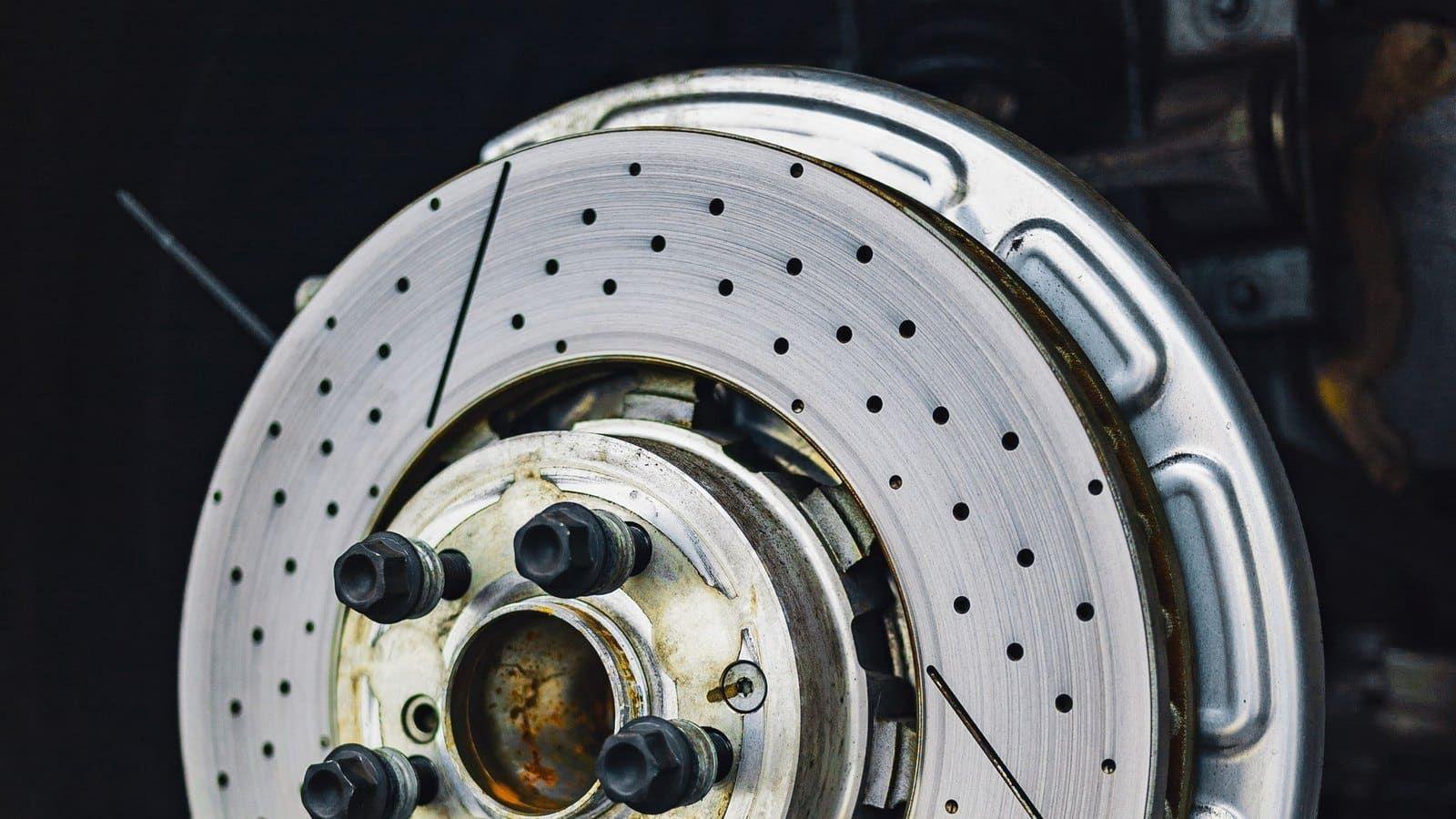
Brakes rarely go from perfect to useless in one trip. More often, the pedal gets longer, the car pulls to one side, you hear a scrape or a grinding that was not there last month, or the car takes more pavement to stop from a familiar speed. Those are reasons to have the system inspected, not reasons to wait until a metal-on-metal noise is constant.
You can visually glance at pad material through many wheels, but that glance is not a substitute for removing a wheel and checking the pads, rotors, hoses, and fluid. Brake fluid absorbs moisture over time; how often it should be changed belongs in the owner’s manual or the builder’s notes for a performance system, not in a one-size mileage rule we invent here. If the pedal sinks toward the floor, if the brake warning light is on, or if the car will not hold a firm pedal, do not keep driving it as if nothing is wrong.
Our track prep, suspension, and brake work covers performance systems such as Brembo hardware, and everyday brake inspection is part of general diagnostics and maintenance as well. We wrote a longer article on this subject: The Ultimate Guide to Brake Maintenance.
Why do small oil leaks and low oil levels turn into expensive engine damage?
Engines need a reliable oil film. A slow leak, a seeping valve-cover gasket, or a car that burns a little oil can look harmless until the level drops far enough to starve bearings or a turbocharger. Performance engines, older engines, and cars that see track use often need more frequent level checks, not fewer.
The honest home habit is simple: park on level ground, wait until the engine is at the temperature your manual describes for a dipstick reading, and check the level on a schedule you will actually keep. If you are adding oil between changes, write down how much and how often. That record helps us tell a minor seep from a problem that needs parts. Do not ignore a sudden puddle, a blue exhaust smell, a low-oil warning light, or a knocking sound that appears after a long drive.
Our article How Regular Oil Changes Save You Money covers service intervals and used-oil handling in more detail. If the leak or consumption already points to internal wear, that conversation may lead to engine building and drivetrain work — but only after we inspect the car, not from a blog post.
What electrical and battery problems are easy to miss until you are stranded?
A slow crank on a warm Florida morning, a battery light that flickers, headlights that dim at idle, or a car that needs a jump after sitting a few days are early electrical complaints. The cause might be a battery at the end of its life, a loose or corroded cable, a failing alternator, a parasitic draw, or aftermarket electronics that were not wired cleanly.
You can check that the battery terminals are clean and tight, and you can notice whether the problem is worse after the car sits. You cannot safely guess an alternator or a parasitic draw from those symptoms alone. A cheap battery swap that ignores a charging problem will leave you with the same no-start a week later. If the car dies while driving, if you smell burning electrical, or if fuses keep opening, treat that as a diagnosis job. Tell us about any recent electrical add-ons or engine-swap wiring when you bring the car in.
How do you avoid turning a small issue into a roadside failure?
A short, repeatable habit is worth more than a complicated checklist you will not use. Walk around the car occasionally and look for new drips, a leaning stance, or a tire that looks lower than the others. Look at the gauges and warning lights when you start the car. Check oil regularly, and check coolant only when the engine is cool. Pay attention to new smells, new vibrations, and changes in the brake pedal or steering. Recheck open recalls at NHTSA when you buy a used car. If something changes quickly, or a red warning light comes on, stop and call the shop or arrange a tow rather than hoping it will clear.
None of this replaces a periodic inspection, especially before a long trip or a track or strip day. If you want that kind of look-over, performance maintenance and diagnostics is the service to start with. You can reach us at (352) 304-3237 or 422 SW 16th St, Ocala, FL 34471, Monday through Friday, 9:00 AM to 5:00 PM.
Key takeaways
- Look at gauges, lights, leaks, and pedal feel early rather than waiting for a breakdown.
- Do not open a hot radiator cap, and do not keep driving a car that is actually overheating.
- A trouble code is a starting point, not an automatic parts list.
- Check oil regularly and write down how much you add between changes.
- Look up open recalls by VIN on NHTSA’s recall page.
Frequently asked questions
Is a parts-store code read enough to tell me what to replace?
A code is a useful first clue, not a complete diagnosis. The same code can have different causes on a stock commuter and on a car with a tune, a power adder, or swap wiring. We start with the complaint and test the systems that actually interact before we recommend parts.
Which warning lights mean I should stop driving right now?
Treat a red oil-pressure or temperature warning as a stop-now light. A flashing check-engine light often means a misfire that can overheat a catalytic converter, so reduce load and have the car inspected. A steady check-engine light with otherwise normal driving is usually a reason to schedule diagnosis soon, not to ignore it.
Where can I check whether my car has an open recall?
Use your VIN on NHTSA’s recall page at https://www.nhtsa.gov/recalls. A recall is not always the cause of a warning light, but it is worth checking when you buy a used car and when a service campaign is announced.
Related services
Related reading
- Performance maintenance and diagnostics in Ocala
Start here for warning lights, leaks, and pre-trip inspections.
- The Ultimate Guide to Brake Maintenance
- How Regular Oil Changes Save You Money
Related posts
The Ultimate Guide to Brake Maintenance
How healthy brakes should feel, what a real inspection includes, when fluid and performance pads need attention, and when to stop driving and have the car towed.
Read article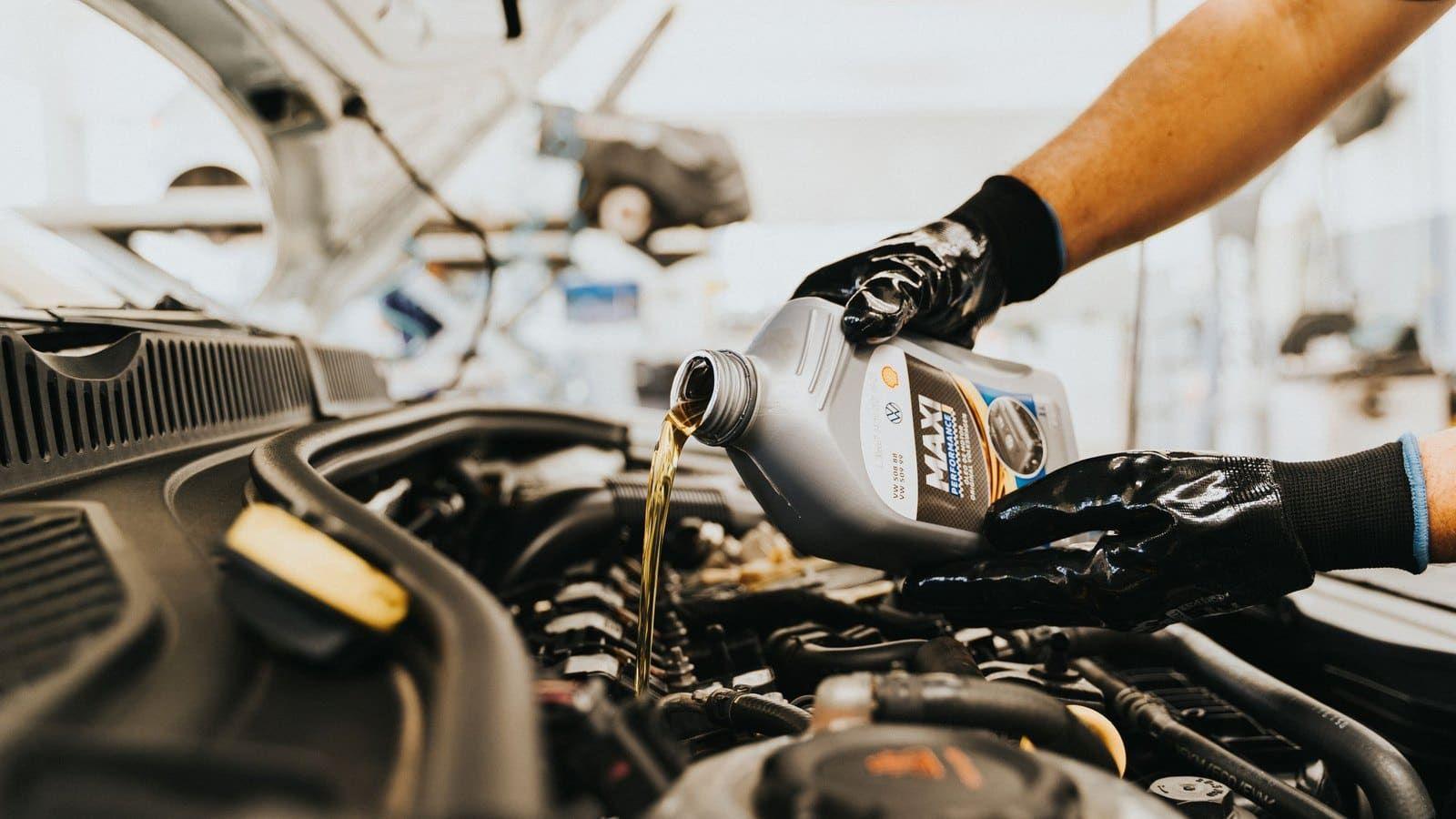
How Regular Oil Changes Save You Money
Why timely oil service protects engines and turbochargers, how to choose an interval from the manual or builder’s notes, and how to recycle used oil.
Read article
Top Tips for Winterizing Your Vehicle
How to prepare a car for Ocala’s mild winters, heavy rain, and trips north — batteries, fluids, tires, and official NHTSA winter-driving advice.
Read article