
How Regular Oil Changes Save You Money
Published · Updated
The short answer
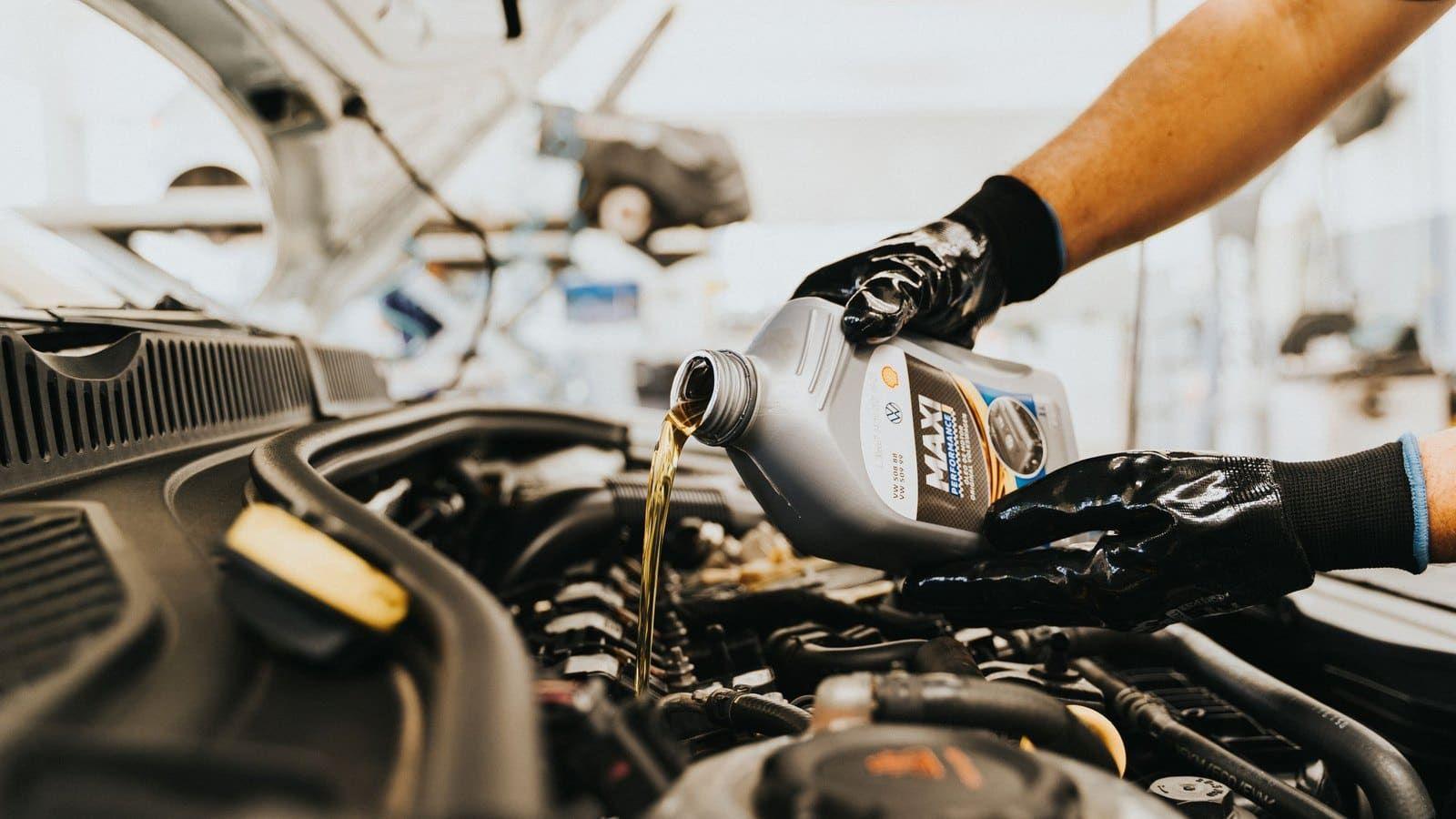
Regular oil changes protect bearings, turbochargers, and other internal parts for far less than the cost of a repair. Use the interval in your owner’s manual or the engine builder’s notes, check the level between visits, and recycle used oil. We do not publish a one-size mileage number or a guaranteed dollar savings.
Engine oil is cheap compared with bearings, a turbocharger, or a rebuilt long-block. The money you save with regular oil service is not a guaranteed dollar figure we can print here; it is the cost you do not pay when oil is still doing its job. At A Spec Auto Specialties & Customs in Ocala, Florida, oil service is part of performance maintenance and diagnostics, and we see both daily drivers and modified cars that need this work on a schedule that fits the engine, not a slogan.
This article explains why oil matters, how to choose an interval without inventing one, what you should check between visits, and how to handle used oil. For used-oil disposal, we point to the U.S. EPA’s guidance on managing and recycling used oil rather than offering a homemade method.
Why does fresh oil actually protect an engine?
Oil lubricates moving parts, helps carry heat away from bearings and piston undersides, and suspends soot and wear metals so they can be drained at the next service. As oil ages in the engine, it can thicken, thin, or oxidize depending on heat, fuel dilution, and time. A filter that is left in place too long cannot keep doing the same job it did when it was new.
None of that requires a scary statistic. The practical point is simple: an engine that runs low on oil, or on oil that is long past the interval the manufacturer or the engine builder specified, is taking a risk that is not worth the skipped appointment. Turbocharged engines, including cars with Whipple, ProCharger, or Garrett-based systems, also rely on oil for bearing lubrication and, in many designs, cooling. A low level is especially unkind to those parts.
If you are already adding oil between changes, or if you see a new leak, that is not “the oil change interval problem” alone. It is a reason to measure the usage and, if it is rising, to have the engine inspected. Our article Signs Your Engine Needs Professional Attention covers the symptoms that should not wait for the next scheduled service.
How often should you change the oil?
The honest answer is the interval in your owner’s manual, or the interval a builder specified for a built or swapped engine, applied to the way you actually use the car. We will not publish a one-size mileage number that pretends every 2015 commuter and every track-prepped swap should be serviced at the same mark.
What does change the conversation is use. Short trips that never fully warm the engine, frequent idling, towing, dusty conditions, and repeated hot track sessions can all be “severe service” in a manufacturer’s schedule, even if the car does not look abused in a parking lot. An aftermarket tune, a power adder, or an engine that makes more heat than the factory package can also be a reason to follow the stricter of the published schedules, or the builder’s notes, rather than the longest oil-life message on a dash.
Oil-life monitors are useful reminders. They are not a reason to ignore a low level, a leak, or a manufacturer time limit (many schedules include a maximum time, not only mileage). If you are unsure which schedule applies, bring the manual or the builder’s paperwork with the car and we will walk through it with you during maintenance.
Does the oil grade and brand have to match what is in the manual?
Use the viscosity grade and the performance specification the manufacturer or the engine builder calls for. The oil cap, the door-jamb sticker, or the manual is the starting point, not a social-media recommendation. If a built engine, a turbo kit, or a swap has a different specified grade, follow that documentation instead of the original window sticker.
We will not use this article to rank brands or to claim a universal “high-mileage” product will fix a leak. Seals that are already leaking need a mechanical diagnosis. If you recently changed grades or switched to a different specification and the engine now ticks on a cold start or uses oil faster than before, tell us what you poured in and when. That information is more useful than starting over from a guess.
Fuel-economy claims deserve the same caution. Driving habits, tire pressure, and mechanical condition all affect how much fuel a car uses; fueleconomy.gov is the official U.S. source for comparing published vehicle ratings. An oil change is maintenance, not a guaranteed miles-per-gallon upgrade, and we will not invent a percentage savings.
What should you check between oil changes?
The most useful habit is also the least exciting: check the level on a regular schedule, on level ground, with the engine at the temperature your manual describes. Wipe the dipstick and read it twice. If the car has no dipstick and relies on an electronic reading, use the procedure in the manual rather than inventing one.
Write down how much you add and when. A car that needs a quart every thousand miles is telling a different story than a car that needed one top-off in a year. Look for new drips on the driveway, a smell of oil after a drive, or smoke that was not there before. If the oil is consistently low and you cannot see an external leak, do not keep driving it to the next “round number” on the odometer. Call the shop and describe what you are seeing.
Performance and older engines can use oil without it being a crisis, but “it has always used some” is not a reason to stop measuring. If consumption is rising, or if metal, coolant, or a milky appearance shows up on the dipstick, that is an inspection job and may lead to a conversation about engine building.
What should you do with used oil and filters?
Used oil does not belong in the trash, in a storm drain, or on the ground. The U.S. EPA explains how to manage, reuse, and recycle used oil, and many parts stores and local collection programs will take used oil and, in many cases, used filters. If we change the oil at the shop, we handle the used oil as part of the service. If you change it at home, store it in a clean, labeled container and take it to a proper collection point. Do not mix it with antifreeze, solvent, or brake fluid if you want it to be accepted for recycling.
A responsible oil change is one of the simplest ways to protect an engine you already paid for. If you want the service done at the shop, or if you want us to look at a leak or a consumption question while the car is here, A Spec Auto Specialties & Customs is at 422 SW 16th St, Ocala, FL 34471. Call (352) 304-3237, Monday through Friday, 9:00 AM to 5:00 PM, or request an appointment.
Key takeaways
- Follow the manufacturer or builder interval; do not use a one-size mileage rule.
- Check the oil level regularly and write down how much you add.
- Turbocharged engines depend on oil for lubrication and, in many designs, cooling.
- Use the viscosity grade and specification the manual or builder calls for.
- Recycle used oil; the EPA publishes official guidance on how to do that.
Frequently asked questions
Can you give me a single mileage interval that works for every car?
No. The right interval is the one in your owner’s manual or in the builder’s notes for a built or swapped engine, applied to the way you actually use the car. Short trips, towing, track sessions, and some modified combinations fall under a severe-service schedule, which is often shorter.
Is an oil-life monitor enough on its own?
Oil-life monitors are useful reminders. They are not a reason to ignore a low level, a leak, or a manufacturer time limit. Many schedules include a maximum time, not only mileage.
What should I do with used oil if I change it at home?
Do not put used oil in the trash, in a storm drain, or on the ground. Store it in a clean, labeled container and take it to a proper collection point. The U.S. EPA explains how to manage and recycle used oil at https://www.epa.gov/recycle/managing-reusing-and-recycling-used-oil. If we change the oil at the shop, we handle the used oil as part of the service.
Related services
Related reading
Related posts
5 Common Car Problems and How to Avoid Them
Five early warning signs we want Ocala drivers to catch — temperature, warning lights, brakes, oil level, and electrical issues — and when to come in for a diagnosis.
Read article
The Ultimate Guide to Brake Maintenance
How healthy brakes should feel, what a real inspection includes, when fluid and performance pads need attention, and when to stop driving and have the car towed.
Read article
Top Tips for Winterizing Your Vehicle
How to prepare a car for Ocala’s mild winters, heavy rain, and trips north — batteries, fluids, tires, and official NHTSA winter-driving advice.
Read article