
The Ultimate Guide to Brake Maintenance
Published · Updated
The short answer
Brake maintenance is a system check — pads, rotors, calipers, hoses, fluid, and pedal feel — not only a pad swap after a squeal. Pay attention to a longer or softer pedal, new noises, or a pull, and have the car inspected. Follow the owner’s manual or builder’s notes for fluid service; we do not invent a universal mileage interval.
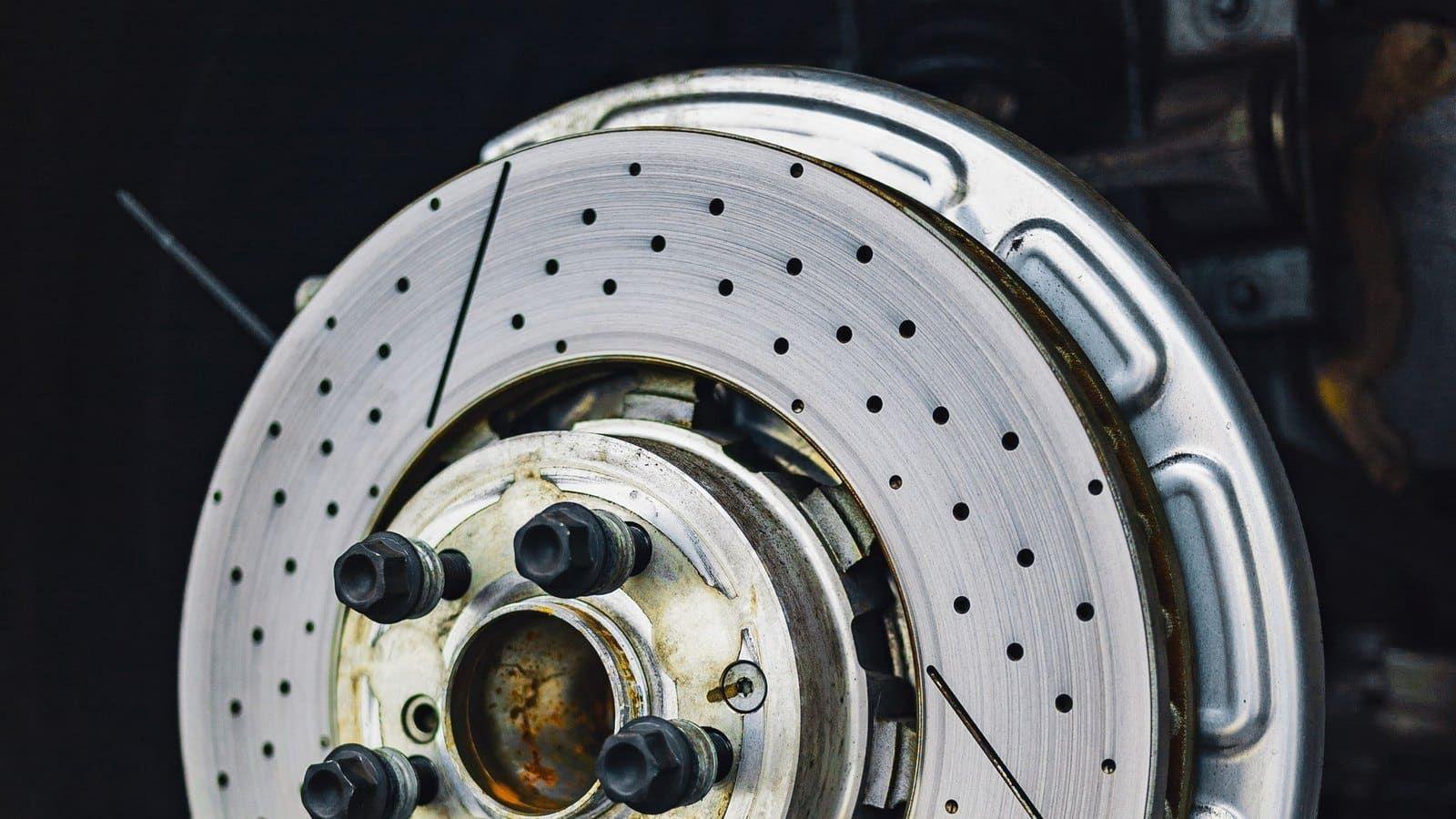
Brake work is not only a pad swap when the car starts to squeal. It is a system: pads, rotors, calipers, hoses, fluid, and the way the pedal feels under your foot. At A Spec Auto Specialties & Customs in Ocala, Florida, we inspect and service everyday brakes and performance systems, including Brembo hardware, as part of track prep, suspension, and brake work and performance maintenance and diagnostics. This guide explains what you should notice from the driver’s seat, what belongs in a shop inspection, and what we will not invent — including a universal mileage interval for pads or fluid.
Your owner’s manual, and any notes from a builder if the car has a big-brake kit, still set the baseline. Florida heat, heavy rain, and towing or track use can shorten the life of parts, but the only honest way to know where your car stands is to look at the parts and the fluid, not to guess from the odometer alone.
How should healthy brakes feel and sound?
A healthy pedal is firm and repeatable. The car should stop in a straight line from a familiar speed without a new vibration in the pedal or the steering wheel, and without a pull to one side. A light dusting of pad material on a wheel is common. A sudden grinding, a scrape that was not there last week, a pedal that travels farther than it used to, or a burning smell after ordinary driving is not something to “wait out.”
Some performance pads are noisier than a quiet commuter pad, especially when they are cold. That does not mean every squeal is normal. A noise that appears with a longer pedal, a warning light, or reduced stopping power is a reason to have the system inspected. If the pedal sinks, if the brake warning light is on, or if the car will not hold a firm pedal, do not keep driving it as if the next errand will be fine. Have it inspected or towed.
What should a brake inspection actually include?
Looking through a wheel at the outer pad is a useful glance, not a complete inspection. A proper look usually means removing a wheel, measuring or visually judging remaining pad material on both inner and outer pads, checking rotor condition, looking at hoses and fittings for cracks or seepage, and evaluating the fluid. Calipers that stick, slides that are dry or corroded, and hardware that was left assembled incorrectly at a prior pad swap are easy to miss if only one side of one wheel is viewed from the sidewalk.
We also ask how you use the car. A daily driver in Ocala that sees mostly street miles, a truck that tows, and a car that goes to The FIRM or Gainesville Raceway are not the same job. Track or strip use, repeated hard stops, and high-temperature fluid or a performance pad compound change what we look for and what we recommend. We will not prescribe a single “replace pads every X miles” rule, because pad life varies with compound, rotor condition, driving style, and whether a caliper is dragging.
If we recommend a repair, you will get a clear explanation of what we found and an estimate before the main work starts. That is the same approach we use for other maintenance and diagnostic work in the shop.
How often should brake fluid be changed?
Brake fluid is hygroscopic, which means it absorbs moisture from the air over time. Moisture lowers the temperature at which the fluid can boil and can contribute to internal corrosion. What we will not do is invent a mileage number that applies to every vehicle. Many manufacturers publish a fluid-service interval in time or mileage; some performance and racing fluids have their own guidance. The right answer for your car is the interval in the owner’s manual or the builder’s notes, adjusted if the fluid is already dark, the pedal feels inconsistent, or the car sees repeated high-heat stops.
A fluid flush is not a substitute for fixing a leak, a failing hose, or a caliper problem. If the fluid is low, the question is where it went — not only how quickly it can be refilled. Low fluid and a long pedal are a reason to stop driving and have the car inspected.
Do performance pads and rotors need a bedding procedure?
Many performance pad and rotor combinations need a bedding or break-in procedure so the friction surface transfers evenly and the system can reach the temperatures it was designed for. The exact procedure depends on the parts you have, not on a generic blog recipe. When we install a performance brake system, we will tell you what the parts you received require and what you should avoid on the first miles — for example, a long, hard stop from high speed followed by sitting with the pedal held, which can imprint pad material on a hot rotor.
If you already have a big-brake kit and the pedal shudders, or if the brakes fade after a few hard stops, do not assume the answer is “more aggressive pads” until the system has been inspected. Rotor thickness, pad taper, caliper function, hose condition, and fluid condition all affect fade and vibration. Our track prep and brake service is the right place to have that conversation, especially if the car is being prepared for a road-course day or for launches at the strip.
What can you reasonably check between shop visits?
You do not need a lift to notice the early signs. Pay attention to pedal travel and firmness. Listen for new noises at low speed and when you first apply the brakes. Look at the tires and wheels for a pull, a lean, or a fluid streak down the inner wheel. If you can see the pad through the wheel, glance at remaining material, and remember that the inner pad can wear faster than the outer pad on some calipers.
Check the brake-fluid reservoir only when you can see the markings clearly, and do not “top off” a dropping level without finding out why it dropped. If a tire looks lower than the others after a hard stop, or if the car pulls, that can also be a tire or alignment issue; our article Choosing the Right Tires for Your Car covers tire condition and pressure, which affect stopping as much as many drivers realize.
Before a long trip or an event, a shop inspection is more useful than a driveway glance. If you want that look-over, call (352) 304-3237 or contact the shop and tell us how you use the car.
When should you stop driving and have the car towed?
There is a difference between a light squeak you can schedule this week and a safety problem that should not go down the road. Have the car towed, or driven a very short distance only if you have no safer option, when the pedal sinks or pumps up only briefly, when a brake warning light is on with a soft pedal, when you hear constant metal-on-metal grinding, when the car pulls hard under braking, or when fluid is visibly leaking around a wheel or along a hose.
Hoping a soft pedal will “come back” after it cools is not a plan. If you are unsure, call us and describe the feel and the lights. We would rather talk you through a tow than have you discover the limit of the system in traffic.
Brake maintenance is one of the least glamorous parts of owning a performance car or a daily driver, and it is one of the parts that matters most. If you want the system inspected, or if you are planning a brake upgrade, A Spec Auto Specialties & Customs can look at the car at 422 SW 16th St, Ocala, FL 34471, Monday through Friday, 9:00 AM to 5:00 PM.
Key takeaways
- A firm, repeatable pedal and straight stops are the baseline; a longer pedal, pull, or new grinding is a reason to inspect.
- Looking through a wheel at one pad is not a complete brake inspection.
- Brake-fluid intervals belong in the owner’s manual or builder’s notes, not in a one-size rule.
- Performance pads often need a bedding procedure specific to the parts installed.
- A sinking pedal or a leak is a stop-driving problem, not an errand you should finish.
Frequently asked questions
How often should brake pads be replaced?
Pad life depends on the compound, rotor condition, driving style, and whether a caliper is dragging. We will not publish a single mileage number that fits every car. The honest method is to inspect the pads, rotors, and hardware rather than guess from the odometer.
Do new performance brakes need a break-in?
Many performance pad and rotor combinations need a bedding procedure. The exact steps depend on the parts you have. When we install a system, we tell you what those parts require and what to avoid on the first miles.
When should I have the car towed instead of driving it in?
Have the car towed if the pedal sinks or will not stay firm, if a brake warning light is on with a soft pedal, if you hear constant metal-on-metal grinding, if the car pulls hard under braking, or if fluid is visibly leaking. A light squeak you can schedule this week is a different situation.
Related services
Related reading
Related posts
5 Common Car Problems and How to Avoid Them
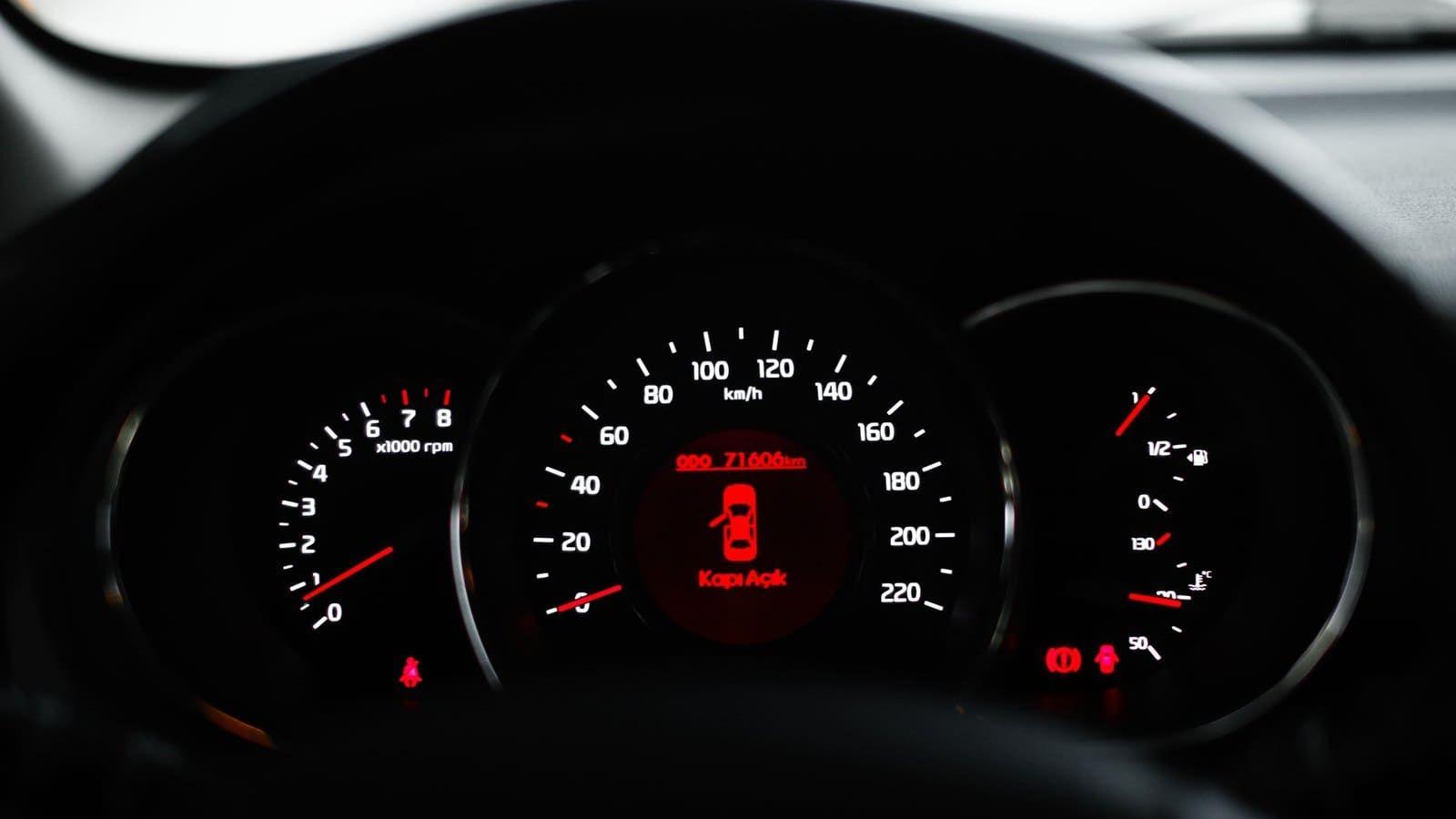
Five early warning signs we want Ocala drivers to catch — temperature, warning lights, brakes, oil level, and electrical issues — and when to come in for a diagnosis.
Read article
How Regular Oil Changes Save You Money
Why timely oil service protects engines and turbochargers, how to choose an interval from the manual or builder’s notes, and how to recycle used oil.
Read article
Top Tips for Winterizing Your Vehicle
How to prepare a car for Ocala’s mild winters, heavy rain, and trips north — batteries, fluids, tires, and official NHTSA winter-driving advice.
Read article