
Choosing the Right Tires for Your Car
Published · Updated
The short answer
Choose tires that match the size, load, and speed rating your vehicle and its use require, and set cold pressure from the door-jamb placard, not the sidewall maximum. Check pressure monthly, replace tires at 2/32 inch of tread, and remember that a tire-pressure monitor is not a substitute for a gauge.
The right tire for a car is the one that matches the load, speed rating, size, and weather the vehicle was meant to see — or the use you have honestly changed it to, such as a track day or a towing setup — and that still has enough tread and the correct pressure. At A Spec Auto Specialties & Customs in Ocala, Florida, we talk about tires as part of suspension, brake, and track-prep work and everyday inspections, because a poorly chosen or underinflated tire will undo a careful alignment or a brake upgrade. This article explains how to read the door-jamb placard, what NHTSA recommends for pressure and tread, and how Florida’s climate should influence the choice.
For official consumer guidance we point to NHTSA’s tire equipment page and NHTSA’s vehicle-safety tire information. We will not invent a brand ranking or a universal “best tire” for every car.
Where do you find the correct size and pressure?
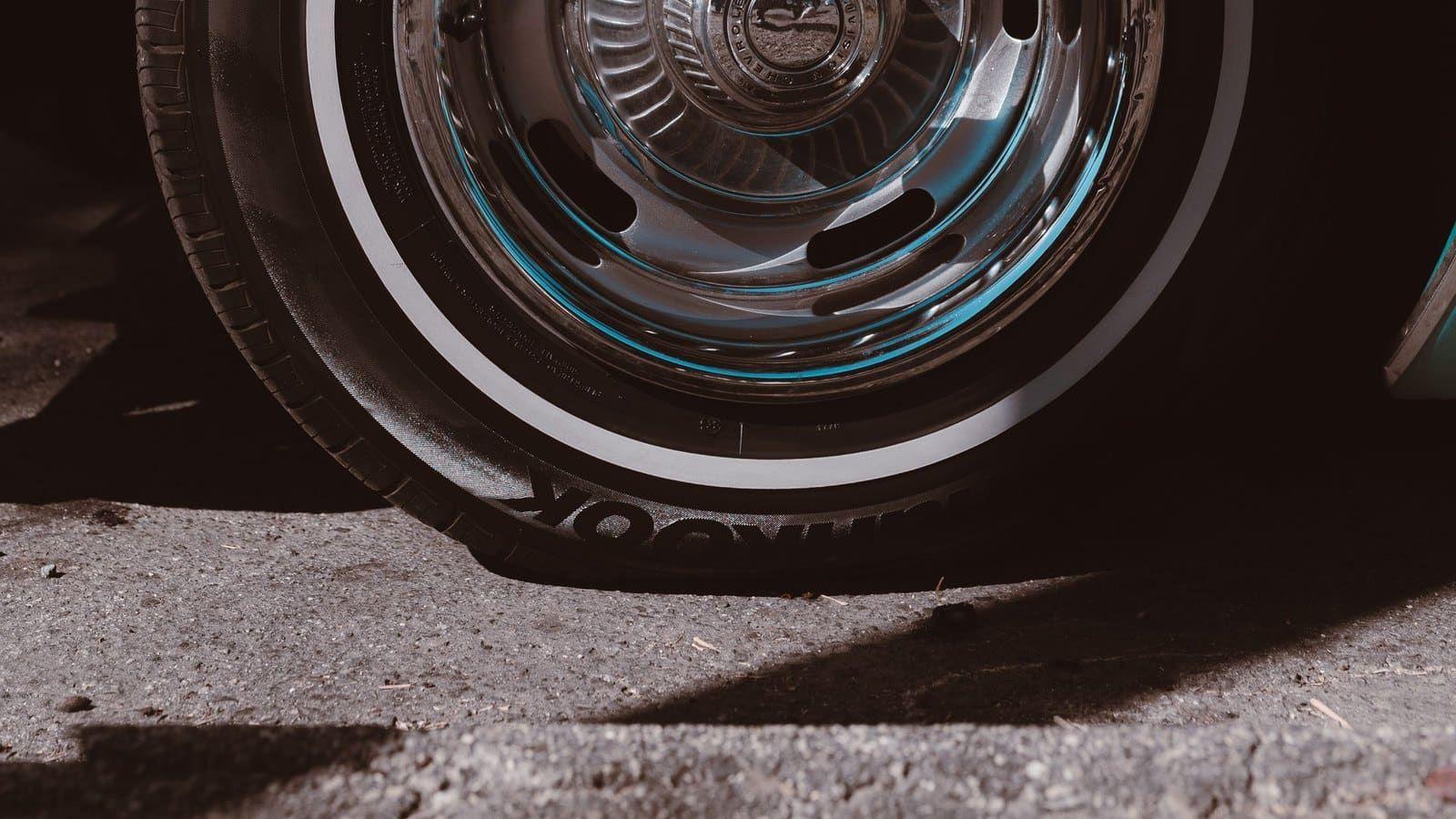
The door-jamb placard — usually on the driver’s door or door frame — lists the tire size and the cold inflation pressure the vehicle manufacturer specified. That placard, not the maximum pressure molded into the sidewall, is the starting point for a stock setup. The sidewall maximum is a limit, not a recommendation.
NHTSA recommends checking tire pressure at least once a month, and before long trips, when the tires are cold. “Cold” means the vehicle has been parked for at least three hours, or has been driven less than a mile at moderate speed. Heat from driving raises the reading; if you set pressure on a hot tire, you can leave it low when it cools. A tire-pressure monitoring system (TPMS) is a warning system for a significant underinflation event. It is not a substitute for a monthly gauge check, a point NHTSA also makes.
If the car has been lowered, fitted with a different wheel size, or set up for the track or the strip, the original placard may no longer describe the tire you should run. That is a conversation to have with the shop, not a reason to guess a pressure from a forum. Bring the wheel and tire size you actually have when you ask us to look at the car.
When should a tire be replaced?
NHTSA advises replacing tires when the tread is worn down to 2/32 of an inch, and it describes the penny test as a simple check: insert a penny into the tread with Lincoln’s head upside down and facing you; if you can see the top of the head, the tread is at or below 2/32 inch and the tire is due for replacement. Built-in wear bars in the tread grooves are another indicator; if the tread is flush with those bars, the tire is at the replacement depth.
Tread depth is not the only reason to replace a tire. A bulge, a cut that reaches the cords, repeated leaks, or uneven wear that has taken a shoulder down to the wear indicator can retire a tire earlier. Uneven wear is also a reason to inspect alignment, inflation, and suspension parts rather than only buying a new set and repeating the same pattern. Our suspension and brake work includes that kind of inspection when the car is in for setup or a handling complaint.
Age matters too, but we will not invent a hard “replace at X years” rule that every manufacturer would sign. If you do not know the age or history of a used tire, be cautious, and do not buy a used tire with unknown damage to save a little money on a performance car.
How should you choose a tire for Florida weather versus a trip or a track day?
Most street cars in Ocala run all-season tires year-round because snow is not part of a typical local winter. Heat, heavy rain, and standing water are. A tire with little remaining tread will hydroplane sooner than a tire with a full groove depth, and underinflation makes that worse. If you want more detail on wet-weather and trip preparation, see Top Tips for Winterizing Your Vehicle and NHTSA’s severe-weather driving guidance.
Summer-compound performance tires can offer more dry grip, and they can lose that grip when the temperature drops or when they are used in the wet beyond what the compound and tread can support. If you travel north in winter, a summer tire is often the wrong choice for that trip. Winter or snow tires are for those destinations, not for a typical week in Marion County. All-season tires in good condition are the usual local answer; the “right” performance tire for a road-course day at The FIRM, or for launches at Gainesville Raceway, may be a different size or compound than the tire you commute on. We will talk through that in person rather than pretend one model works for every use.
Load index and speed rating should meet or exceed what the vehicle and the use require. Putting a lower load-rated tire under a truck that tows, or a lower speed-rated tire under a car that sees highway and event use, is not a shortcut we recommend.
What habits make a good tire last as long as it reasonably can?
Keep the pressure at the placard (or at the pressure specified for your actual setup) and check it monthly when the tires are cold. Rotate tires on the schedule in the owner’s manual unless a directional or staggered setup says otherwise. Inspect for nails, uneven wear, and curb damage. If you hit a deep pothole or a curb hard, look at the inner sidewall and have the wheel and tire inspected if the car pulls or the pressure drops.
Alignment after suspension work, after a collision, or when a tire is wearing on one shoulder will do more for tire life than any additive. Brakes that drag, a bent wheel, or a worn bushing can also take a tire out early. Those are mechanical problems, and they belong in a diagnostic visit, not in a second set of the same tire.
Do not mix tires casually across an axle — different sizes, constructions, or very different tread depths can change how the car brakes and how a stability or all-wheel-drive system behaves. If you need one replacement and the other tires are nearly worn out, replacing the pair or the set is often the safer conversation, even if it is not the cheapest one.
If you want the tires, pressure, and alignment looked at together, or if you are choosing a tire for a mixed street and event car, A Spec Auto Specialties & Customs can inspect the vehicle at 422 SW 16th St, Ocala, FL 34471. Call (352) 304-3237, Monday through Friday, 9:00 AM to 5:00 PM, or get in touch.
Key takeaways
- Set cold pressure from the door-jamb placard, not the sidewall maximum.
- Check pressure at least monthly; TPMS is not a substitute for a gauge.
- Replace tires at 2/32 inch of tread, or sooner if they are damaged or unevenly worn.
- Match load index and speed rating to the vehicle and the way you use it.
- Uneven wear is a reason to inspect alignment and suspension, not only to buy new tires.
Frequently asked questions
Should I inflate my tires to the number on the sidewall?
No. The maximum pressure on the sidewall is a limit, not a recommendation. For a stock setup, use the cold inflation pressure on the driver’s door-jamb placard. If the wheel and tire size have been changed, ask us to help set a pressure for the setup you actually have.
Is the tire-pressure monitoring system enough?
No. NHTSA notes that TPMS warns about a significant underinflation event. It is not a substitute for a monthly check with a gauge when the tires are cold — parked at least three hours, or driven less than a mile at moderate speed.
Do I need winter tires in Ocala?
Most local street cars do not. All-season tires in good condition are the usual choice for Marion County. If you travel to snow or ice, or if you run a summer-compound performance tire, choose a tire that matches that trip or that use.
Related services
Related reading
Related posts
5 Common Car Problems and How to Avoid Them
Five early warning signs we want Ocala drivers to catch — temperature, warning lights, brakes, oil level, and electrical issues — and when to come in for a diagnosis.
Read article
The Ultimate Guide to Brake Maintenance
How healthy brakes should feel, what a real inspection includes, when fluid and performance pads need attention, and when to stop driving and have the car towed.
Read article
How Regular Oil Changes Save You Money
Why timely oil service protects engines and turbochargers, how to choose an interval from the manual or builder’s notes, and how to recycle used oil.
Read article