
Signs Your Engine Needs Professional Attention
Published · Updated
The short answer
New knocks, misfires, persistent smoke, overheating, rising oil consumption, and red oil-pressure or temperature lights are reasons to have an engine inspected. Stop driving if a red warning is on or the engine is knocking or overheating, and describe what you have noticed when you bring the car in.
Engines usually tell you they are in trouble before they stop. The message may be a new knock, a miss under load, a temperature gauge that will not stay in its normal range, smoke that was not there last month, or oil that disappears between changes. At A Spec Auto Specialties & Customs in Ocala, Florida, we would rather inspect those signs early than take apart an engine that was driven until it failed. This article explains the clues that deserve a professional look, what you can reasonably note at home, and when you should stop driving the car.
It is not a diagnosis of your vehicle. Two cars can make a similar sound for different reasons, and a modified or swapped engine can show symptoms a stock commuter does not. If something here sounds familiar, schedule a diagnostic visit or start with performance maintenance and diagnostics. You can also check NHTSA recalls by VIN in case a campaign already addresses the symptom.
Which sounds and vibrations should you not ignore?
A light tick that has been unchanged for years may be a characteristic of the engine, a tight exhaust shield, or a valvetrain that is simply audible. A new knock that gets louder under load, a sharp tap that appeared after an oil change was skipped, or a rhythmic misfire you can feel in the cabin is a different story. So is a sudden vibration that appears at a particular RPM or when the engine is placed under boost.
Describe the sound as clearly as you can: when it happens, whether it changes with engine speed or road speed, whether it appeared after a heat soak, and whether it started after recent work. That history is often as useful as a scan tool. Do not rev the engine repeatedly in the driveway to “make it do it again” if the sound already suggests internal damage. If the oil-pressure warning is on, or if the knock appeared after the oil level was low, shut the engine down and arrange a tow.
A misfire can also damage a catalytic converter if you keep driving the car hard, especially if the check-engine light is flashing. Reduce load and have the car inspected rather than finishing a spirited drive.
What do smoke, smells, and leaks tell you?
Visible exhaust smoke is a clue, not a complete diagnosis. Dark smoke can point to a fueling problem. Blue smoke can point to oil entering the combustion chamber. White smoke can be condensation on a cold start, or — if it persists and smells like coolant — a head-gasket or cooling-system problem. We will not pretend a blog post can tell those apart from a photo. What you should do is notice the color, whether it happens on start-up or under load, and whether the coolant or oil level is changing at the same time.
A sweet coolant smell, a burning-oil smell after a drive, or a puddle under the car the next morning is also worth a look. A small seep can stay a small seep for a long time, or it can be the first sign of a gasket or seal that is on its way out. If you are adding oil or coolant regularly, write down how much. Our article How Regular Oil Changes Save You Money covers level checks and used-oil handling; rising consumption is a reason to inspect the engine, not only to buy another jug.
Overheating belongs in this same group. A gauge that climbs in traffic, cabin heat that suddenly goes cold, or a cooling fan that never comes on is a stop-and-investigate problem. Continuing to drive an engine that is truly overheating can turn a hose or thermostat job into engine building work.
When is a loss of power a reason to come in now?
Engines lose power for many reasons: a clogged filter, a failing sensor, an ignition problem, a fuel-delivery limit, an exhaust restriction, or a tune that does not match the hardware. On a car with a turbocharger or supercharger, a sudden loss of power can also be a boost leak, a wastegate or bypass issue, or a fail-safe in the calibration. On a car that was recently tuned, tell us when the last calibration was done and what has changed since.
A gradual loss of power that you have been living with is still worth diagnosing, especially if fuel use has changed or if the engine is now reluctant to idle. A sudden loss of power, a limp mode, or a car that will not stay running should not be “driven through.” If the engine has a severe misfire, a loud knock, or a warning light that appeared at the same moment, treat it as a diagnosis job and be conservative about continuing to drive.
What should you do if the car is using oil, running hot, or showing a red warning light?
Red oil-pressure or temperature warnings are “stop now” lights, not “finish the errand” lights. Pull over when it is safe, shut the engine down, and do not keep restarting it to see if the light will go away. A low-oil warning after you have confirmed the level is genuinely low may be a leak or consumption problem; it may also be something you can top off once to move the car a short distance, but only if the engine is otherwise quiet and you understand you are still heading for an inspection, not a solution.
If the dipstick shows a milky appearance, or if the coolant tank shows oil, do not keep driving the car to “see if it clears.” That is a reason to have the engine inspected and, if the diagnosis supports it, to talk about repair or engine building and drivetrain options. We will not promise a rebuild from a blog description; we will look at the car.
How should you get the car to the shop without making the damage worse?
If the engine is knocking, overheating, missing badly, or showing a red warning light, a tow is the conservative choice. If the car is driving normally except for a steady check-engine light or a minor seep, you can usually drive it in during the week, Monday through Friday, 9:00 AM to 5:00 PM, and tell us what you have noticed. Bring any recent service records, notes about oil or coolant you have added, and a description of modifications — including a tune, a power adder, or a swap.
A short video or a voice memo of the sound, recorded safely while someone else is driving or while the car is idling, can help, but it does not replace an inspection. Please do not test the engine at high RPM in the street to capture the noise.
If you want the engine looked at, call (352) 304-3237 or contact A Spec Auto Specialties & Customs at 422 SW 16th St, Ocala, FL 34471. We will start with the complaint and the evidence, then talk through the next step before any major work begins.
Key takeaways
- A new knock, a flashing check-engine light, or a red warning light deserves prompt attention.
- Persistent smoke plus a changing oil or coolant level is a reason to inspect, not to wait.
- Overheating can turn a cooling repair into engine damage if you keep driving.
- Write down oil or coolant you add; rising consumption is useful evidence.
- A tow is the conservative choice when the engine is knocking, overheating, or in limp mode with a severe misfire.
Frequently asked questions
Should I keep driving if the check-engine light is on?
A steady light with otherwise normal driving is usually a reason to schedule diagnosis soon. A flashing light often means a misfire that can overheat a catalytic converter; reduce load and have the car inspected. A red oil-pressure or temperature warning means stop as soon as it is safe and do not keep restarting the engine to see if the light clears.
Can you tell me what is wrong from a description of the smoke or sound?
A description helps us plan the inspection, but it is not a diagnosis. Similar sounds and similar smoke colors can have different causes, especially on a modified or swapped engine. We will look at the car before we recommend major work.
When should I tow the car instead of driving it in?
Tow the car if the engine is knocking, overheating, missing badly, or showing a red warning light. If it is driving normally except for a steady check-engine light or a minor seep, you can usually drive it in during shop hours and tell us what you have noticed.
Related services
Related reading
Related posts
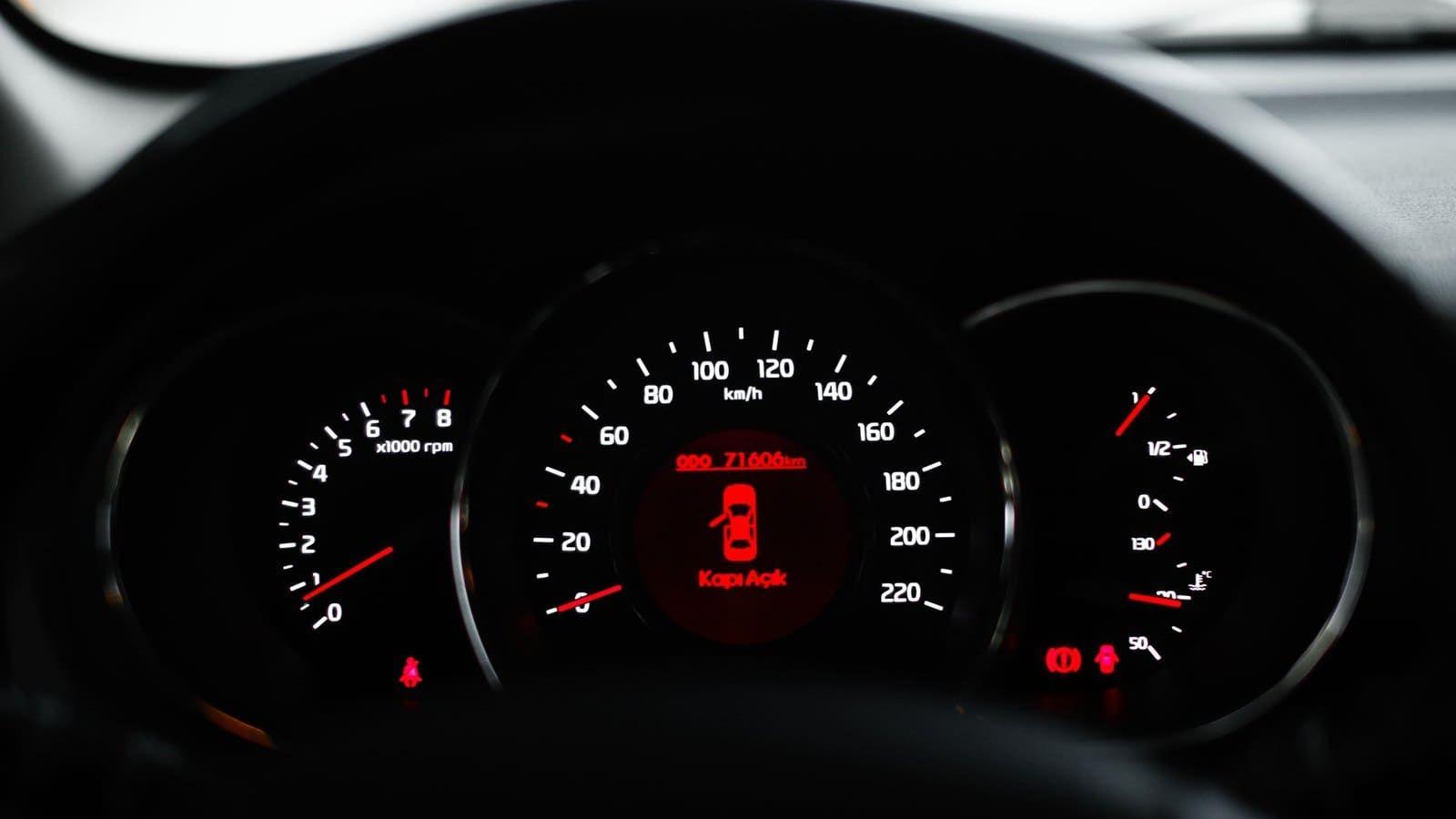
5 Common Car Problems and How to Avoid Them
Five early warning signs we want Ocala drivers to catch — temperature, warning lights, brakes, oil level, and electrical issues — and when to come in for a diagnosis.
Read article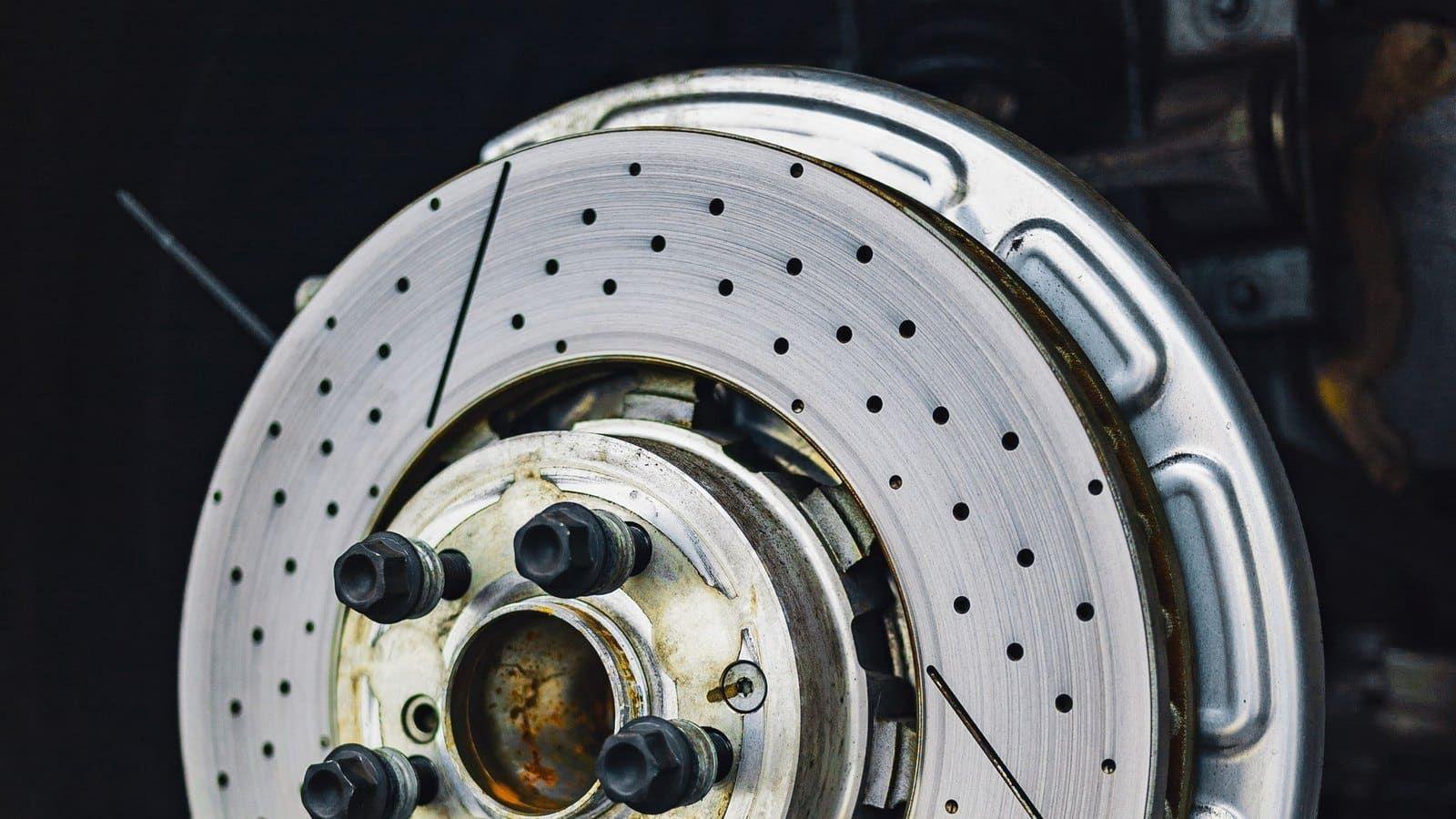
The Ultimate Guide to Brake Maintenance
How healthy brakes should feel, what a real inspection includes, when fluid and performance pads need attention, and when to stop driving and have the car towed.
Read article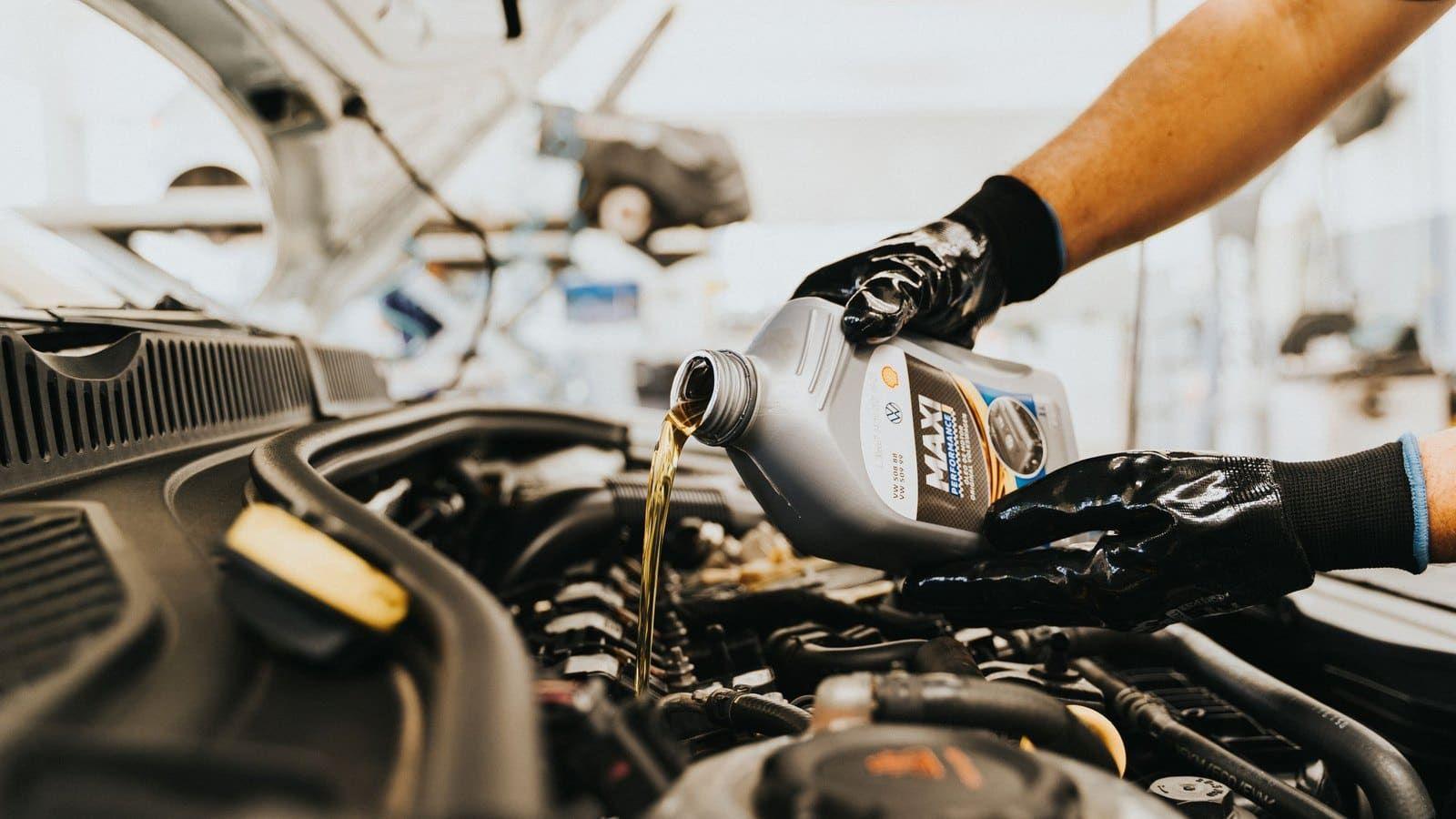
How Regular Oil Changes Save You Money
Why timely oil service protects engines and turbochargers, how to choose an interval from the manual or builder’s notes, and how to recycle used oil.
Read article